
Curriculum
Sports Medicine 1


“A fire fighter’s ability to recognize an incident involving hazardous materials or weapons of mass destruction (WMD) is critical. They must possess the knowledge required to identify the presence of hazardous materials and WMD, and have an understanding of what their role is within the response plan. The Third Edition of Hazardous Materials Awareness and Operations will provide fire fighters and first responders with these skills and enable them to keep themselves and others safe while mitigating these potentially deadly incidents”(“Hazardous Materials Awareness and Operations, 3rd Edition”).
Medical Law and Ethics
Emergency Medical Responder
Your First Response in Emergency Care is a textbook designed to teach individuals how to provide immediate medical assistance in emergencies. It covers the essential skills and knowledge required to assess, manage, and treat various medical conditions at the scene of an emergency. Topics include basic life support techniques like CPR, wound care, trauma management, and recognizing life-threatening conditions. The book also emphasizes the importance of teamwork, communication, and patient safety in emergency situations, preparing responders to deliver the best care while awaiting further medical support.
Hazardous Materials
Written for health professionals of all kindsnot lawyers Medical Law and Ethics covers the full spectrum of topics that affect practice. Fully updated coverage includes: the legal system, professional liability and medical malpractice, physicians responsibilities, medical records, ethical and bioethical issues, and current regulations. Actual legal cases illuminate subjects ranging from patient confidentiality and abortion to death and dying. Med Tips provide quick scenarios and guidance about law and ethics.
Principles of Athletic Training
The text leads the student from general foundations to specific concepts relative to injury prevention, evaluation, management, and rehabilitation.
Sports Medicine II



Pharmacology
Pharmacology is a detailed and accessible guide to understanding drug actions, interactions, and therapeutic applications. The book covers essential pharmacological principles, including drug classifications, mechanisms of action, and side effects, with a focus on clinical relevance. Using case studies, diagrams, and learning aids, it helps students and healthcare professionals develop a strong foundation in medication management, ensuring safe and effective patient care.
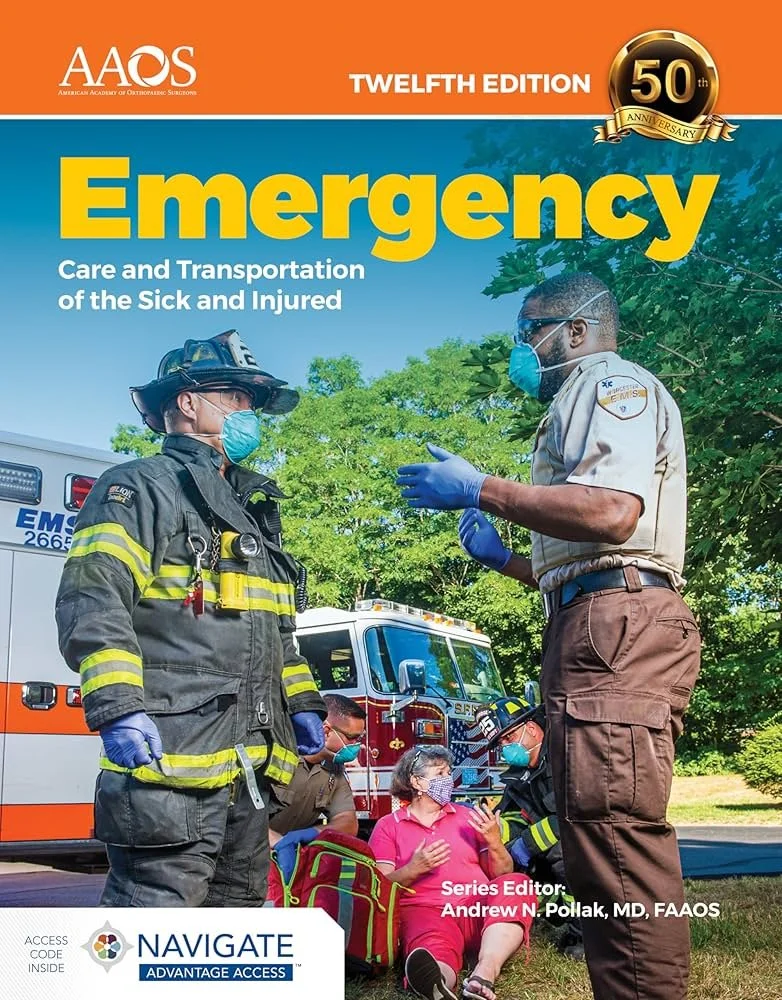
Emergency
Advanced Emergency Care and Transportation of the Sick and Injured offers EMS providers a stepping stone between the EMT-Basic and EMT-Paramedic credentials. Based on Intermediate Emergency Care and Transportation of the Sick and Injured, this text provides an innovative Advanced Emergency Medical Technician (AEMT) training solution. Topics include advanced pathophysiology, acid-base balance, fluids and electrolytes, intravenous therapy, interosseous access, blood glucose monitoring, advanced airway skills, defibrillation, and administration of AEMT-level medications.
EKGs
EKGs by Maureen A. Knechtel is a practical and easy-to-understand guide to electrocardiogram interpretation. Covering fundamental concepts, rhythm analysis, and common cardiac conditions, the book simplifies complex EKG patterns with clear explanations, illustrations, and real-world case studies. Designed for students and healthcare professionals, it provides the knowledge and confidence needed to accurately read and apply EKG findings in clinical practice.
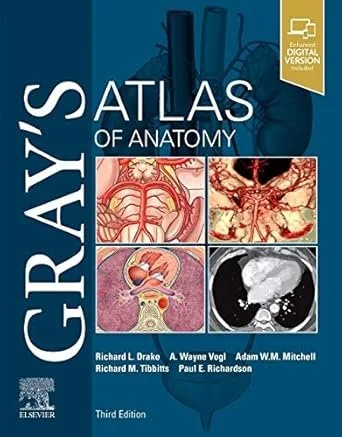
Gray’s Atlas of Anatomy
Gray’s Atlas of Anatomy is a meticulously detailed visual guide that brings human anatomy to life through high-quality illustrations, dissections, and medical imaging. Designed for students, clinicians, and medical professionals, this atlas provides an in-depth look at anatomical structures, their spatial relationships, and clinical correlations. With a focus on clarity and precision, it serves as an essential companion for mastering anatomy in both educational and clinical settings.
Anatomy and Physiology
Anatomy and Physiology provides a comprehensive exploration of the human body's structure and function, detailing the intricate relationships between organs, systems, and biochemical processes. Through clear explanations, illustrations, and real-world applications, this book helps students and healthcare professionals understand how the body maintains homeostasis, responds to stimuli, and supports overall health. Ideal for those entering medical and allied health fields, it serves as a foundational resource for mastering human biology.
Lab Values
Lab Values is a practical guide that explains the role of laboratory tests in diagnosing and managing diseases. It provides detailed information on common lab tests, their purpose, and how to interpret the results. The book covers a wide range of tests, including blood counts, electrolyte levels, organ function markers, and more. It emphasizes the clinical significance of each test, helping healthcare professionals understand how lab values contribute to diagnosis, treatment planning, and patient monitoring. The guide is useful for understanding how lab results can aid in identifying health conditions and inform medical decisions.
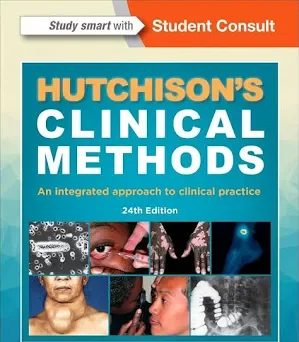
Hutchison’s Clinical Methods
Hutchison’s Clinical Methods, first published more than a century ago, is the classic textbook on clinical skills. It provides an outstanding source of learning and reference for undergraduate medical students and postgraduate doctors. It seeks to teach an integrated approach to clinical practice, so that new methods and investigations are grafted onto established patterns of clinical practice, rather than added on as something extra. The text is organised so that both system-related and problem-oriented chapters are included.
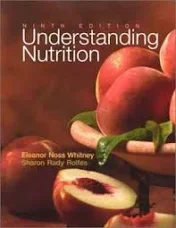
Understanding Nutrition
Connecting with you through an approachable writing style, UNDERSTANDING NUTRITION, 14th Edition includes twenty chapters on topics such as diet planning, macronutrients, vitamins and minerals, diet and health, fitness, life span nutrition, food safety, and world hunger, among others.
You will learn how to…
Critical Life-Saving Skills (Emergency Medical Responder)
You’ll learn how to assess and manage medical emergencies, including CPR, airway management, bleeding control, and shock treatment—essential for first responders.
Understanding and Preventing Sports Injuries (Rehabilitation of Musculoskeletal Injuries)
You'll gain insight into injury mechanisms, risk factors, and preventive strategies such as strength training, flexibility programs, and proper biomechanics.
Scene Safety and Patient Assessment (Emergency Medical Responder)
Understanding how to evaluate emergency scenes, recognize hazards, and perform primary and secondary patient assessments ensures effective decision-making under pressure.
Interpreting Lab Values for Diagnosis (Lab Values)
Knowing how to read and interpret lab values (e.g., blood counts, electrolytes, kidney and liver function tests) helps in diagnosing conditions and assessing patient health status.
Principles of Injury Rehabilitation (Rehabilitation of Musculoskeletal Injuries)
This book covers rehabilitation protocols for different musculoskeletal injuries, including exercise progressions, healing timelines, and patient-specific treatment plans.
Application of Lab Results in Patient Care (Lab Values)
Understanding lab trends and abnormalities can guide medical decisions, such as identifying infections, dehydration, or organ dysfunction in clinical and emergency settings.
Sports Medicine II and Advanced Kinesiology
Sierra Community College HSCI 0003 (Fall)

Medical Terminology Systems
"Decoding the Language of Medicine—One Term at a Time."
Medical Terminology Systems is a comprehensive guide designed to help students and healthcare professionals master medical language through a systematic, word-building approach. By breaking down complex terms into roots, prefixes, and suffixes, the book simplifies medical jargon, enhances retention, and improves communication in clinical settings. With interactive exercises, case studies, and real-world applications, it provides a strong foundation for understanding anatomy, physiology, and disease processes.
You will learn how to…
Mastering Medical Language (Medical Terminology Systems)
Understanding medical terminology by breaking down prefixes, suffixes, and root words allows for clear and effective communication in healthcare settings.
Safe and Effective Medication Use (Pharmacology)
Understanding drug actions, side effects, and interactions ensures proper medication management and enhances patient safety in clinical practice.
Understanding Human Structure and Function (Anatomy & Physiology, Gray’s Atlas of Anatomy)
Learning how the human body is built and how its systems work together provides a strong foundation for diagnosing and treating medical conditions.
Responding to Medical Emergencies (Emergency Medical Responder)
Learning essential life-saving skills like CPR, wound care, and patient assessment prepares you to handle emergencies and provide critical first aid.
Interpreting Heart Rhythms and Cardiac Conditions (EKGs)
Gaining the ability to read electrocardiograms (EKGs) helps in detecting arrhythmias, heart attacks, and other cardiac abnormalities, which are critical for emergency and routine care.
Using Lab Values for Diagnosis and Treatment (Lab Values)
Interpreting lab results and understanding injury rehabilitation principles help in diagnosing conditions, monitoring treatment progress, and optimizing patient recovery.


Sports Medicine III and Medical Diagnositics
UC / CSU Honors - College Level
The books in this course are designed to assist students in developing a robust medical literacy that will allow them to practice differential diagnosis at a high level.


Leadership Laboratory
Our leadership laboratory is designed to give students practice at transformative leadership and the development of their communities of practice.

FEMA Independent Study Courses
The students ground their studies in the real world of medicine by learning from the FEMA Independent Study courses. These professional courses are the foundation of EMS and Emergency Response but are beneficial to students pursuing hospital, legal, and public safety careers.
IS 100, 200, 20.23, 21.23 700, and 800 are to be accomplished as part of the course sequence.
IS 240, 241, and 242 are accomplished during the leadership lab.
IS 20.23 and IS 21.23 are recommended for transformative leadership.
-
Course Overview
ICS 100, Introduction to the Incident Command System, introduces the Incident Command System (ICS) and provides the foundation for higher-level ICS training. This course describes the history, features and principles, and organizational structure of the Incident Command System. It also explains the relationship between ICS and the National Incident Management System (NIMS). The Emergency Management Institute developed its ICS courses collaboratively with:
National Wildfire Coordinating Group (NWCG)
U.S. Department of Agriculture
United States Fire Administration’s National Fire Programs Branch
Course Objectives:
At the completion of this course, you should be able to:
>Explain the principles and basic structure of the Incident Command System (ICS).
>Describe the NIMS management characteristics that are the foundation of the ICS.
>Describe the ICS functional areas and the roles of the Incident Commander and Command Staff.
>Describe the General Staff roles within ICS.
>Identify how NIMS management characteristics apply to ICS for a variety of roles and discipline areas.
-
Course Overview
IS200, Basic Incident Command System for Initial Response, reviews the Incident Command System (ICS), provides the context for ICS within the initial response, and supports higher-level ICS training. This course provides training on, and resources for, personnel who are likely to assume a supervisory position within ICS.
The Emergency Management Institute developed its ICS courses collaboratively with:
National Wildfire Coordinating Group (NWCG)
U.S. Department of Agriculture
United State Fire Administration’s National Fire Programs Branch
Note: IS-200.c is an updated version of the IS-200 course. If you have successfully completed IS-200.b or IS-200.a, you may want to review the new version of the course. For credentialing purposes, the courses are equivalent.
NIMS Compliance
This course is NIMS compliant and meets the NIMS Baseline Training requirements for IS-200.
Course Objectives:
At the completion of this course, you should be able to: Describe the course objectives and summarize basic information about the Incident Command System (ICS) and National Incident Management System (NIMS):
>Describe how the NIMS Management Characteristics relate to Incident Command and Unified Command.
>Describe the delegation of authority process, implementing authorities, management by objectives, and preparedness plans and objectives.
>Identify ICS organizational components, the Command Staff, the General Staff, and ICS tools.
>Describe different types of briefings and meetings.
>Explain flexibility within the standard ICS organizational structure.
>Explain transfer of command briefings and procedures.
>Use ICS to manage an incident or event.
IS 200 Link
-
Course Overview
This course provides an overview of the National Incident Management System (NIMS). The National Incident Management System defines the comprehensive approach guiding the whole community - all levels of government, nongovernmental organizations (NGO), and the private sector - to work together seamlessly to prevent, protect against, mitigate, respond to, and recover from the effects of incidents. The course provides learners with a basic understanding of NIMS concepts, principles, and components.
Course Objectives:
At the end of this course, students will be able to:
>Describe and identify the key concepts, principles, scope, and applicability underlying NIMS.
>Describe activities and methods for managing resources.
>Describe the NIMS Management Characteristics.
>Identify and describe Incident Command System (ICS) organizational structures.
>Explain Emergency Operations Center (EOC) functions, common models for staff organization, and activation levels.
>Explain the interconnectivity within the NIMS Management and Coordination structures: ICS, EOC, Joint Information System (JIS), and Multiagency Coordination Groups (MAC Groups).
>Identify and describe the characteristics of communications and information systems, effective communication, incident information, and communication standards and formats.
-
Course Overview
The goal of the IS-0800.d, National Response Framework, An Introduction, is to provide guidance for the whole community. Within this broad audience, the National Response Framework focuses especially on those who are involved in delivering and applying the response core capabilities, including:
Private sector partners
Non-governmental organizations (NGOs)
Government officials
Community leaders
Emergency management practitioners
First responders
Course Objectives:
By the end of this course, students will be able to:
>Describe the purpose, scope, organization, and underlying doctrine of the National Response Framework.
>Describe the roles and responsibilities of response partners.
>Describe core capabilities for response and actions required to deliver those capabilities.
>Describe coordinating structures and operational planning used to support emergency response.
>Describe how the stabilization of the seven Community Lifelines reduces threats to public health and safety, or economic security.
-
Course Overview
This course recognizes the benefits of diversity in our workforce and FEMA’s commitment to valuing the diversity of its employees and customers.
Course Objectives:
By the end of this course, participants will be able to:
>Define what is meant by diversity.
>Describe how diversity benefits us individually and collectively.
>State FEMA’s Vision of Diversity.
>Describe the agency’s commitment to diversity as stated in the Diversity Action Plan.
>Describe how culture influences our interactions with others.
>Describe the actions you can take to optimize diversity
-
Item description
-
Course Overview
The goal of this course is to improve your leadership and influence skills. This course addresses: Leadership from within; How to facilitate change; How to build and rebuild trust; Using personal influence and political savvy; and Fostering an environment for leadership development.
Course Objectives:
>Explain what leadership means for emergency personnel.
>Explain why effective leadership begins with personal insight and development.
>Identify your leadership capabilities and areas for personal development.
>Describe a change management model and the process for planning, communicating, and implementing changes.
>Describe how to build and rebuild trust in an organization.
>Use personal influence and develop political savvy to network and influence people effectively.
>Develop strategies for creating a positive work environment that fosters leadership and a commitment to continuous improvement in others.
-
Course Overview
The goal of this course is to enable participants to improve their decision-making skills.
Course Objectives:
At the completion of this course, participants should be able to:
>Describe how decisions made before an emergency affect decision making and problem solving during an emergency.
>Identify attributes associated with an effective decision maker.
>Describe the steps in the problem-solving model.
>Describe strategies for effective group decision making.
>Describe crisis decision making and strategies for applying the problem-solving model.
>Describe ethical decision making.
-
Course Overview
This course is designed to improve your communication skills. It addresses: Basic communication skills; How to communicate in an emergency: How to identify community-specific communication issues; Using technology as a communication tool; Effective oral communication; How to prepare an oral presentation
Course Objectives:
>Identify factors that contribute to and detract from effective communication.
>Develop a strategy for ensuring that emergency communications meet the needs of the whole community, including those with access and functional needs.
>Identify strategies for communicating effectively in emergency situations.
>Identify strategies for improving your oral presentation skills.